
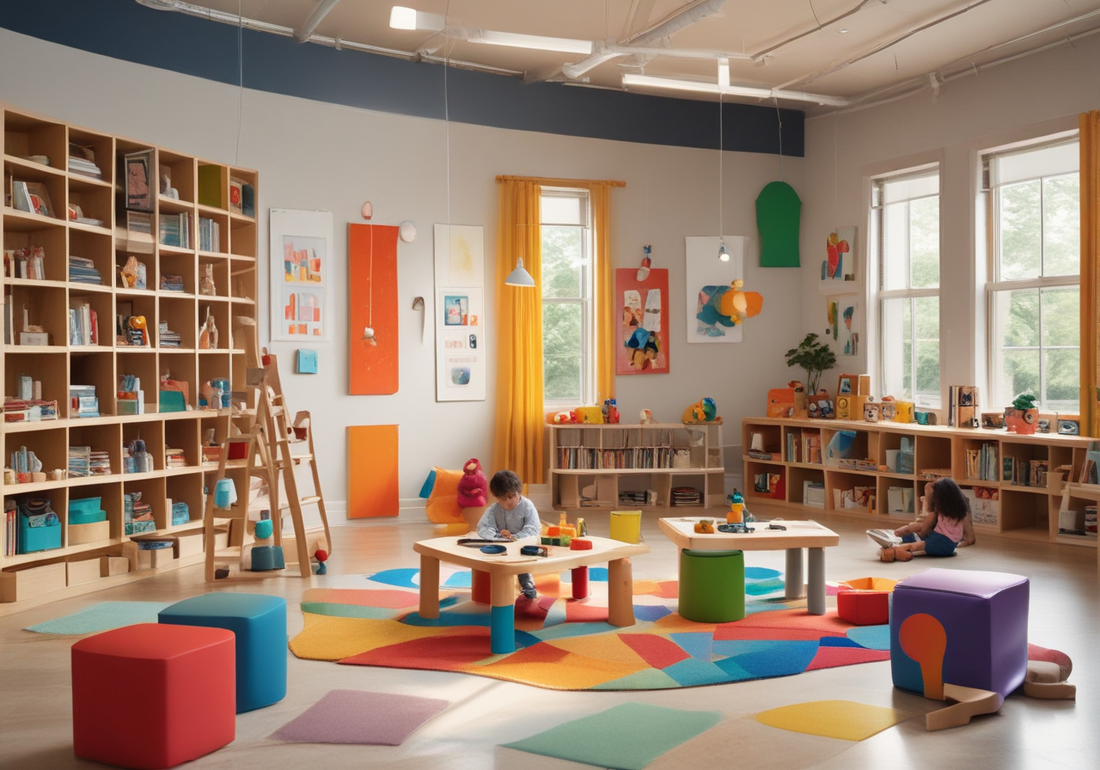
Key Highlights
- Simple play setups create hours of meaningful play, inspiring young children to think creatively and solve problems naturally.
- Using open-ended materials and loose parts enables flexible sensory exploration, enriching fine motor skills and cognitive abilities in early childhood.
- Incorporating sensory play setups supports developmental milestones, ensuring playful learning through tactile experiences for kids of all ages.
- Dramatic and construction play spaces foster critical thinking, social skills, and spatial reasoning, making them beneficial for younger and older children alike.
- Rotating play setups introduces new ideas, maintains children’s interest, and nurtures self-driven learning through varied activities in the learning environment.
Introduction
Imagine a learning environment where there are endless opportunities for kids. Each activity helps children use both creativity and critical thinking. This is the magic you find in meaningful play. When kids try sensory exploration, do pretend play, or build with blocks, children’s play turns into early childhood lessons that are full of value. Simple setups at home give a way for children to be curious, learn foundational skills, and grow in every area. A caregiver can use these play zones to mix fun with learning. Now, let’s see how these small setups help young kids take part in meaningful play and also learn at the same time.
Understanding the Power of Meaningful Play
 Meaningful play is about more than just having fun or passing the time. It is at the heart of early childhood development. When young learners take part in dramatic play or explore things with their senses, they work on important areas of development without even trying. The power of play helps children use creative thinking, build up their communication skills, and start with basic ways of learning.
When you support meaningful play, you let kids make friends, deal with problems, and show care for others. With simple activities or fun ideas, meaningful play helps turn each playful moment into a big chance for new learning and growth. This is a key part of what makes early childhood so important.
What Makes Play Meaningful for Children?
Not every play activity leads to strong learning. So, what helps make a child’s play meaningful? The most important part is that meaningful play helps kids at any age to grow and develop. Some activities help kids use fine motor skills with things like sensory exploration. Others help kids build cognitive skills by sorting and using their mind. Every type of play matters and helps with a child’s growth.
Independent learning is also important during play. For example, when there are open-ended zones for pretend play, kids can try out their own ideas. These setups can boost creative thinking. They let kids solve problems and think about new things in their own way.
Meaningful play also helps kids in many areas of development. For example, physical play can build gross motor strengths. Playing with others can help a child use and build communication skills. If you give kids spaces for imagination and exploration, you will make sure play is always fun. This also helps both younger and older children find these chances to learn and grow.
The Role of Simple Setups in Child Development
Simple setups are important in helping with early childhood development. When you use loose parts and sensory play, kids can start building confidence. They get to practice foundational skills like spatial reasoning and fine motor skills.
These areas let young learners enjoy interactive play. When kids use their hands to explore, they grow and learn at the same time. For example, setups that use pretend play, like a vet clinic, let children learn about empathy. They can try out real-world ideas during play. Activities like these spark curiosity and help children learn big life ideas in a gentle way.
Also, these setups make it possible for kids to get better at problem-solving. It can be by themed play bins or exploring with nature-based setups. Each one helps kids learn on their own. If you give children these kinds of spaces, you offer a safe and fun place that helps their minds grow. These setups are great for supporting different parts of early childhood and keeping growth going.
Core Principles of Engaging Play Environments
 Engaging play environments focus on mixing creativity with ways for kids to learn. The goal is to help young learners stay active while helping them to grow their minds. These places can have sensory exploration areas or dramatic play corners. Both help kids learn more by letting them touch and play in new ways.
The main idea is this: make spaces that make kids curious and ready to explore. By adding things like loose parts play or sensory bins, children can touch, see, and try out different shapes and ideas. When play areas be safe and easy for all to use, they bring happiness and help kids grow in many ways during their early years.
Encouraging Curiosity and Exploration
Curiosity helps kids enjoy meaningful play. When kids check out loose parts like cardboard tubes or bright pompoms, they start to see many fun ways to use them. All of this hands-on play lets them learn new ideas in a simple and natural way.
Younger children need spaces with lots of open-ended things for play. This type of setup helps get them into a discovery process. For example, if you set up dramatic play areas as pretend kitchens, kids will use their critical thinking and boost their imagination. With each step they take, they try different ways to play, which helps them learn to think in new and creative ways.
Sensory play areas also let kids try sensory exploration. If you put in spots for water play or bring in nature pieces for loose parts, kids become more curious about the world. It strengthens their cognitive skills and helps them understand how things work. When the area is set up the right way, it can spark life-long skills and a real love for learning.
Supporting Independence and Choice
When children are independent during play, they can learn at their own pace. This helps make the whole learning process feel personal and enjoyable for them. With easy setups, like pretend play areas or sensory bins, kids get the chance to guide their play. This helps them build confidence while they take the lead.
Choosing setups that let children work on their own ideas helps with critical thinking. For example, giving them a task based on sensory exploration lets them try things out on their own. They learn to solve problems in their own way. These kinds of activities also help build the foundational skills they will need in the future.
Giving kids the freedom to pick what they want to use in their play spaces is important too. It could be making tall towers with blocks or weaving beads to make necklaces. These flexible and versatile choices let young learners try new things and discover what they like. Independence in interactive play encourages children to be curious. It gives them a sense of ownership over their growth and development.
Benefits of Simple Play Setups
 Simple play setups are not just easy to put together. They offer many ways for children to develop. When you switch out complicated toys for simple learning items, you give your child many chances to grow both in mind and feelings.
These setups can fit children’s play for all ages and will adjust naturally to how each child learns. Kids can build social skills by playing together in pretend games, or move around and use energy with things like sensory bins. There are countless ways these simple setups help. Simple play setups let families mix fun, learning, and create new things together.
Enhancing Cognitive and Problem-Solving Skills
Every play activity helps children solve problems. When kids play with blocks, they balance and build. This helps them learn spatial reasoning in a natural way. It also improves their thinking and learning skills in the early years.
Simple play ideas, like sorting sensory items, help children come up with new ideas and talk with others. When children use loose parts in sensory bins, they show patience and growth in fine movements. This is important as they reach early childhood milestones.
Sometimes, play can be on a bigger scale. For example, a post office play area lets children act out real-world things. They learn how steps go in order and how to work together. All of these play areas support creativity and help build key foundational skills and cognitive skills in early childhood.
Boosting Social and Emotional Growth
Meaningful play gives young children the chance to grow both socially and emotionally. When kids take part in cooperative play, they learn to talk with others and practice sharing and waiting their turn. This helps them build strong friendships with their peers. In pretend play, like when they act out a post office or grocery store, kids get to try on different roles. They learn what others might feel and find safe ways to show their own feelings. This helps them get better at understanding emotions.
In these early childhood moments, children try new things and see life from different points of view. It helps them learn to care about others. These types of play help set the stage for success in early childhood education. Playing in meaningful ways helps children become happy, confident, and good with other people.
Essential Elements of a Play-Rich Space at Home
 A well-planned play area helps children use their minds in new ways. It lets them grow their social skills and keeps their thinking sharp. When you add loose parts like cardboard tubes and wooden blocks, it gives kids many chances to use their imagination and explore new things. Having toys and tools that are easy to reach and right for their age helps fine motor skills grow. It also lets kids enjoy free play, so young learners can build, try things out, and move at their own pace.
It is important to keep the play areas safe by choosing the right safety steps. This helps in letting kids be independent but also keeps them safe. A setup that can change and be moved around will bring kids together for interactive play. It will boost talking, sharing, and working together across children of all ages. All these things come together to help kids get the most out of meaningful play.
Choosing Flexible and Open-Ended Materials
Choosing flexible and open-ended materials can help young children. Things like wooden blocks, cardboard tubes, and even natural items like stones or leaves give kids countless ways to use their imagination. This lets them try out new possibilities and learn from it. When children work with different shapes and sizes, they use critical thinking and build problem-solving skills.
This type of play makes the learning environment better. It helps kids talk and work with each other, which builds social skills. By using versatile materials, caregivers give young children a place where the joy of learning grows every day. This helps them enjoy imaginative play and learn even more.
Organizing Spaces for Easy Access and Safety
Creating a play area that is neat and set up well can help young children learn and grow. When you use open shelves and containers with labels, it makes things easy to find and put back. This helps children get their own things, build their cognitive skills, and take charge of their own learning. Put items at their eye level so they can pick and put things away on their own. This builds their spatial awareness and helps them learn how to keep things tidy.
To keep everyone safe, make sure heavy things are put away in a safe place. Keep small items away from younger children. Keeping the space neat and free from too much stuff helps kids focus. It gives them a good place for meaningful play, which helps with their social skills and nicely supports the learning environment.
Loose Parts Play: Transforming Everyday Items
 Turning normal things you find at home into cool play tools can give young learners so many ways to have fun and be creative. Loose parts play lets kids use their own ideas and try out different shapes and textures, like cardboard tubes and cereal boxes. This kind of play helps them get better at fine motor skills and grow their spatial awareness. When children use loose parts or everyday items to play, it also helps them build cognitive skills and find new ways to work together. Kids make up new games and stories, which teaches them to think in new ways and talk well with each other. Loose parts play gives children the chance to enjoy meaningful play and learn important skills, such as critical thinking and good communication skills, as they grow and develop.
Nature-Based Loose Parts for Creative Play
Adding nature-based loose parts to play does more than spark creativity. It helps young children feel close to the world around them. Using things like twigs, leaves, rocks, and pinecones gives endless opportunities for imaginative play. Kids can get to know many textures and shapes with these loose parts.
When young learners touch and move these natural pieces, they build fine motor skills and learn about their space. Children get to test new things and improve their spatial awareness by handling these objects. This kind of play does not have set rules, so young children make up their own stories. They grow their mind and social skills while they play.
When we let children play with these organic things, we turn normal play into a good sensory experience. There is more for them to find, touch, and enjoy, making each day more fun and full of discovery.
Household Items That Inspire Imagination
Household items can be great for sparking imaginative play and letting young children use their own ideas. You can use everyday things like cereal boxes, cardboard tubes, and toy cars to act out many stories. With these, a child might turn a box into a space rocket or cardboard tubes into parts of a busy post office. This type of play lets young children look at new possibilities and makes them think in fresh ways. It is good for cognitive development because it helps them learn as they play. Using these items also helps young children work on their fine motor skills, since they need to pick up, move, and use the items in lots of ways. There are endless opportunities for stories and role-playing, so kids can get better at social skills and start to know more about their feelings too.
Sensory Play Setups for All Ages
 When you set up sensory play for children of all ages, there are endless opportunities for them to explore and learn. Adding water, sand, and a mix of textures helps to grow fine motor skills and supports their cognitive development through many sensory experiences. For example, a water table with different tools for pouring lets children try new things with water flow. This can help their critical thinking and supports imaginative play as they figure out what they can do with water. A simple bin of rice or beans is also great for sensory exploration. Kids get to talk about what they feel and see, so their communication skills improve. They get to work together, have fun, and learn at the same time. In the end, every sensory setup brings joy and lots of learning.
Water Play with Everyday Objects
Water play is a fun way for young children to explore their senses. It helps them build fine motor skills and learn new things with their mind. They can use things from home, like empty bottles, cups, and pieces of sponge. Kids play with water to see how it moves and floats. This type of play helps them see how objects work in space, growing their spatial awareness.
When you set Up water play in a safe space, kids can play together. It helps them work as a team and share ideas, which is called cooperative play. Playing with water gets their creative thinking going. As they pour, splash, and make up games, they find new possibilities in simple actions.
Letting children use items you have at home also boosts their communication skills. They learn to talk about what they do and see. It helps them understand why things happen—like what makes water flow. All these things come together in this type of play to make learning fun, hands-on, and exciting.
DIY Sensory Bins Using Kitchen Supplies
Creating DIY sensory bins with kitchen supplies gives you countless ways to connect with young children through meaningful play. You can use things like rice, pasta, or beans as loose parts, letting kids enjoy sensory exploration. These help build fine motor skills, too. When you add scoops, cups, or toy cars, kids can use their imagination and learn to play together.
This type of play lets your child try new things and helps them build cognitive skills and spatial awareness. Reusing cereal boxes or using wooden spoons brings creative problem-solving into every activity. All of this takes place in a safe space, helping children find joy in learning and giving them new chances to talk, work, and play with others.
Building Blocks and Construction Zones
 When you set up a fun building blocks and construction zone, you can see children get excited to learn. Using the different items like wooden blocks, cardboard tubes, or cereal boxes gives them endless opportunities for imaginative play. These things help kids with critical thinking and use their spatial reasoning as they make new things.
Creating a safe space for this type of play helps children of all ages work together. They bring their own ideas to build with friends and try new things. As the kids build, they use their fine motor skills. When they play together, they also get better at social skills and learn to share. This type of play is good because it supports cognitive development and helps them grow in many ways.
Classic Block Play for Problem-Solving
Engaging in classic block play gives young children many ways to build their problem-solving skills. When they use wooden blocks or cardboard tubes, they start to learn about spatial reasoning by moving and stacking different pieces. This helps with their cognitive development, too. Each time they build something, like a tall block tower or a cozy fort, they get to use creative thinking and try out imaginative play. While stacking and balancing, they practice their fine motor skills and enjoy sensory exploration at the same time. These moments help them build good foundational skills and also give them the chance to share their own ideas. Playing this way helps set them up for strong critical thinking and teaches them how to work with others, all in an environment that feels safe and fun.
Introducing Recycled Materials for Construction
Using recycled things for building gives kids so many chances for imaginative play and creativity. Things like cardboard tubes, cereal boxes, and wooden blocks can turn into all kinds of new buildings. This type of play helps young learners as they try out their spatial awareness and improve their fine motor skills. When they play like this, they also get better at critical thinking because they find new ways to make shapes and designs. This helps their cognitive development, too.
Also, this kind of play gives endless opportunities for working together. Kids join up to build things and show and share what they made. This type of play helps their communication skills and also teaches them to take care of the environment.
Dramatic Play Corners that Support Storytelling
 Dramatic play corners give young children a fun way to tell stories and try out new things. These places help kids with critical thinking and build up their communication skills. By using costumes, props, and different backgrounds, the area turns into a space where new ideas can come alive. Kids play together and learn how to work with each other, which is cooperative play.
Pretend play in these places helps children grow their language skills and supports their cognitive development. It also lets them think about their own lives and what they hope for. With these dramatic play areas, parents and caregivers offer endless opportunities for meaningful play. This helps children now and as they keep growing in these important early years.
Setting Up a Home Puppet Theater
Creating a home puppet theater can bring more imaginative play and storytelling to your home for young children. Pick a cozy spot in the house. Hang curtains or use a simple piece of fabric for the backdrop. This setup helps kids explore the space and gives them something fun to look at.
Offer some puppets, like hand puppets or finger puppets. Using these can help boost fine motor skills, as kids will move and control each puppet. Puppets also make dramatic play even better.
You can ask children to make up their own stories with the puppets. This kind of play helps them build social skills when they work together and talk to each other. It is a great way to work on early childhood development. A puppet theater also helps kids get more creative and think in new ways. This setup gives everyone something fun to do and brings so much joy into the home.
Creating Pretend Kitchens and Shops
Turning a small spot in your home into a pretend kitchen or shop gives children a space for imaginative play. When you add loose parts like empty food boxes, play food, and kitchen tools, kids can enjoy role-playing. They use dialogue and storytelling, which helps them grow their language skills. This setup boosts creative thinking too. Kids learn to work together through cooperative play with their friends or siblings, building strong social skills.
Setting up a shop lets young learners try early math ideas. They get to price things and pretend to make sales, working at their own pace. This imaginative play area helps children practice communication. They also use their cognitive skills as they play and learn in this fun and open learning environment.
Art & Creativity Stations for Free Expression
 Creating art and creativity stations at home lets children show who they are and try new possibilities. When you add different things like crayons, paints, and old items to these areas, young learners get to use their hands more. This helps them build fine motor skills as they enjoy imaginative play. These spaces help support cognitive development with open-ended fun, letting children explore colors and shapes at their own pace.
If you set up creativity areas with supplies that are easy to grab, you make a safe space for free play. This helps spark creative thinking and leads to good moments with others. In this kind of environment, children get to work on their communication skills and it helps them during early childhood development.
Simple Painting and Drawing Areas
Creating simple painting and drawing areas lets young learners have fun and be creative in a safe and friendly place. When you use loose parts like cardboard tubes and wooden blocks, children get to try out different shapes and touch new textures. This not only helps with fine motor skills but also makes the activity interesting for them. When there is a mix of materials, like washable paints and large sheets of paper, it lets children get into sensory exploration. This can help with how they think and how they feel.
Making sure everything is easy to grab and set up helps children do things by themselves. This way, they can make what they want with their own ideas. The setup makes room for cooperative play, where children work with other children and share. It helps them to learn new words, talk about their work, and grow their social skills. In the end, they get to use their creativity, work with others, and have fun while learning and making art together.
Crafting with Paper, Fabric, and Found Objects
Crafting with paper, fabric, and found objects gives young learners the chance to enjoy imaginative play and grow many skills. Things like cereal boxes, scraps of fabric, and colorful bits let children turn simple items into art projects. These hands-on tasks help them build creative thinking and fine motor skills. When children work with these items, they boost their spatial awareness and help their own cognitive development during the learning process.
These activities also help with communication skills, as children share what they think and work together with others. When parents let their children try and explore in new ways, there are endless opportunities for them to grow. This supports kids as they learn and have fun in a safe place.
Movement and Gross Motor Play Indoors
 There are endless opportunities to help young learners use their gross motor skills indoors. You can make a simple obstacle course using pillows, chairs, and blankets. This will help kids work on their spatial awareness and use critical thinking when they move through it. When kids join in dance and movement activities, they build social skills and also get better at moving their bodies. The fun challenges help to boost both fine and gross motor skills. Kids are able to have fun and show who they are in a safe space. Setting up these playful activities lets them go at their own pace. Kids discover the joy of learning and see that moving can be a good time for all of them.
Indoor Obstacle Courses Using Pillows and Chairs
Creating indoor obstacle courses using pillows and chairs can give young children many ways to move and explore imaginative play. Kids get to move through the course in fun ways that build their gross motor skills. This type of play helps children work on their balance and coordination as they step, jump, or crawl. Couch cushions can be placed on the ground to make soft landing spots or to build small hills for them to climb over.
This can be a good way for young children to use spatial reasoning, as they figure out how to move their bodies around the different things in the way. The interactive part of this obstacle course lets friends or siblings do the course together. They can cheer each other on and help one another out. This experience builds social skills and allows them to get better at teamwork while having a good time.
Dance and Movement Activities for Small Spaces
Creating happy movement activities in small spaces can help young children build gross motor skills and stay healthy. Simple games like dance-offs or freeze games get kids to move, use their bodies, and grow their spatial awareness. You can use props like scarves or ribbons to make sensory exploration fun. These bring bright colors and soft feelings to help them imagine new things.
Playing familiar music or adding sound effects invites kids into interactive play and lets them use their creativity. Small dance circles or making little obstacle courses out of cushions can lead to cooperative play. It also helps kids grow basic social skills. Every move can turn into a fun adventure for them.
Outdoor Play Setups for Indian Homes
 Outdoor play setups at Indian homes help kids jump into a space full of sensory exploration and imaginative play. When you use places like the balcony or rooftop, simple things like water play in a bucket give endless opportunities for young learners. Add plants and stones to that setup. These small touches boost creativity and help kids learn about the environment.
If you only have a small outdoor area, you can make a sand play area there. Playing with sand is great for kids to build fine motor skills and try out cooperative play with friends or siblings. Turning these everyday spots into simple but fun play zones builds foundational skills and helps children connect with others. Any small corner can turn into a joyful spot for play and discovery.
Balcony and Rooftop Nature Play Ideas
Turning balconies and rooftops into bright play areas helps young children feel close to nature. It also helps them get more interested in what is around them. You can do this with simple things. For example, put soil in plant pots, and kids can dig and find new things. This helps with sensory exploration. Give them cardboard tubes and small containers, which allow young children to use their imaginations. There are countless ways for kids to build and imagine new things.
Using natural things like leaves and stones opens the door to endless opportunities. Children can explore, which is good for their spatial awareness and fine motor skills. Spending time in these play areas lets them have fun, learn, and build a real love for the outdoors. Their time on balconies and rooftops can be a good way to connect with nature and each other.
Water and Sand Play in Compact Outdoor Areas
Creating a spot for water and sand play in small outdoor spaces lets young learners enjoy sensory exploration. You can use things like shallow bins or large trays. These let children take part in imaginative play and mix, pour, and build. This helps them use and grow their fine motor skills, too. When you add scoops, cups, and toy cars, it gets even more fun. This setup invites creative thinking, as kids figure out new things to do.
When these materials are in play, children of all ages can be a part of cooperative play. They can share their ideas and tools with each other. This helps everyone use both their fine motor skills and gross motor skills. At the same time, it helps them build social skills. Play in this way is not just fun. It is also a good way to get young learners to learn and grow, all while being engaged.
STEM-Inspired Play Stations

Creating STEM-inspired play stations helps make a fun learning environment where children can learn about science by doing things with their hands. You can use simple items that you find every day, like toy cars and cardboard tubes. These things spark curiosity in children and help them build critical thinking. Try letting the children experiment with water flow by giving them containers of different shapes. You can also set up a nature science corner, so children can try sensory exploration.
These hands-on activities help children build foundational skills. They also allow for imaginative play and support cognitive development. When you give open-ended materials to kids, they learn to develop their spatial awareness and become better at solving problems. This way, meaningful play is part of their day, and every experience becomes richer and more useful to them.
Easy Science Experiments with Household Items
Household items can open up a world of science for young learners. Easy science experiments not only help with cognitive development but also build critical thinking and good communication skills. When children do simple activities, like making a volcano with baking soda and vinegar, they learn about chemical reactions and use their imaginative play. Playing with water to test buoyancy and density helps kids grow fine motor skills and get better at spatial awareness. Every experiment turns normal things in the house into tools for sensory exploration. These activities spark curiosity and a love for learning, all while being fun and safe.
Early Math with Everyday Objects
Math ideas can be worked into playtime by using things you find around the house. You can use toy cars, cereal boxes, or wooden blocks. These simple items turn play into a good way for kids to learn. Children can count, sort, add, or take away as they move things around. This helps with their cognitive development and grows their critical thinking skills.
When you set up a playful space with things already at home, young learners will start to use mathematical reasoning on their own. This kind of interactive play helps build key foundational skills. These skills are important in early childhood education. Kids can explore numbers at their own pace, so the joy of learning is always there. As they do this, learning becomes a natural and fun part of early childhood.
Rotating Play Setups to Maintain Interest
Fresh ideas help to keep kids excited about playing. Changing play areas often brings new energy and helps kids learn by giving them new things to try and think about. You can try weekly themes. It is a good way to let young learners explore different areas of development. Imaginative play helps them with this, too. When you let kids help change or set up play areas, they feel like they have a say in their learning environment. This helps them grow in critical thinking and creativity.
Parents can adapt the materials in these areas. If you keep things fresh and new, the play space becomes active and helps with social skills and fine motor skills. Kids get endless opportunities for fun, talking with others, and exploring new things. This also helps with their cognitive development.
Planning Weekly Themes for Variety
Adding weekly themes to play can really make things more fun and give children endless opportunities to learn new things. Each week brings new ideas and different ways to play, like sensory exploration or imaginative play. These activities help kids build critical thinking and creativity. For example, during a "transportation week," you can use toy cars and cardboard tubes. For a "nature week," outdoor play with things like leaves and twigs is great. This keeps the play areas fresh and helps kids grow important foundational skills, such as language and social skills. All of this creates a good learning environment where children can enjoy the joy of learning, try new things, and grow in many ways.
Involving Children in Refreshing Play Areas
Getting young children to help refresh their play areas helps them feel excited and in control. When you let them share their own ideas, the space changes into a learning environment where their creativity can shine. When they move around loose parts or bring in household items, kids get better with spatial awareness and problem-solving. This group process builds their social skills as they do cooperative play together. Letting them try out different shapes and materials brings new possibilities for imaginative play. This way, the play areas stay fun and interesting for everyone. It also supports cognitive development and growth in young children.
Supporting Language and Literacy Through Play
Enhancing language and literacy skills in young children can be easy when made part of fun experiences. Interactive play spaces filled with story items and other interesting materials give kids a good place to grow their communication skills. Setting up cozy reading nooks lets children share their own stories, which helps them talk about words and understand them better.
When you use toys and cards in games, young children get to learn about letters and how to make words. This type of play helps them enjoy the world of language. It also builds critical thinking as they play. Plus, it helps them feel closer to words, which makes the learning process good for children of all ages. This way, learning is not just work, but also a journey that is both fun and full of new things.
Reading Nooks with Story Props
Making cozy reading nooks can help children improve language skills and boost their critical thinking. When you add things like puppets, toys, or other story props, it helps kids get into imaginative play. This way, young learners can explore stories in their own way. They might act out their favorite tales and sometimes, they even make up new ones. These props can get kids thinking and help them stay curious about what comes next.
When you set up these spaces with soft seats and warm lights, you create a place where kids feel safe to enjoy free play. Here, children can go on reading adventures at their own pace. The joy of learning comes alive as they use these items to understand how stories work, learn about characters, and truly enjoy their time reading. For many, this is one of the best ways to make learning fun and meaningful.
Letter and Word Games Using Toys and Cards
Playing letter and word games with toy cars, blocks, and cards helps kids build important language skills. These easy games, like matching letter cards to toy items, can boost a child’s vocabulary and help with sound awareness. When you use things they know, like toy cars, it makes the learning process fun and something they want to be a part of.
With these games, young learners get to move letters and words around and see new ways to use them. This helps them become good at creative thinking and critical thinking. Using interactive play like this keeps learning playful, and it helps children the love language and reading as they grow. These activities also be good for their cognitive development and let kids enjoy new ways to learn all the time.
Facilitating Social Play and Cooperation
Creating places where kids can play together is important. It helps them build good communication skills and grow strong social skills. When young learners join in cooperative games, they learn how to work as a team. These activities also help them think in new ways and grow their critical thinking.
Play areas like dramatic play corners or spots with blocks let children work, build, and imagine together. This gives them new possibilities to make stories with others and solve problems as a group.
When games are made for friends or siblings, kids learn to take turns and share what they have. These group setups make it easier for them to connect with others, build new friendships, and feel happy playing with each other. The skills they pick up here will help them all through life.
Group Games for Siblings or Friends
Inclusive group games help young children build social skills with siblings and friends. When kids play together, like in “Duck, Duck, Goose” or go on a “Treasure Hunt,” they learn to work as a team and talk with each other. These group games let them use their imagination. They also let children try out sensory exploration. By facing and solving problems with others, kids begin to build up their critical thinking.
When you add in things for loose parts play, such as cardboard boxes or toy cars, it changes things up. Kids can use different shapes and take on many new roles during play. These changes give all the kids a chance to join in and make the group stronger. Playing together with these simple items helps kids feel close to each other and gives them a safe space. It helps them grow emotionally and makes room for everyone to be creative.
Turn-Taking and Sharing Through Setup Design
Designing play setups that help children take turns and share can give young learners many chances to build social skills. When you create areas like a block play area or set up a spot for board games, kids can work together and talk with each other. Using things that make them team up, like big building blocks or props they all use, helps build a feeling that they all belong.
These spaces help with cognitive development and show kids how to solve problems with others. They also make a joyful learning environment. Kids can enjoy imaginative play and build skills for working together as they share and play in these setups.
Adapting Setups for Different Ages and Abilities
Creating play spaces that can change helps children of all ages and abilities take part in a good way. For younger children, it helps to use simple and safe spaces. Choose soft things in the area so they can run, jump, or roll. This helps the kids with big body moves and lets them use their imagination while they play.
When it is for older children, you can add harder things to do. Use areas for building with different loose parts. This helps them work together, think in new ways, and try cooperative play.
By adding things that use the senses, you allow kids to choose and change what suits them best. This can help with language skills and help children talk and play with each other. When you give lots of activities for kids at different ages and stages, all children can find the best way to have fun. Caregivers can help everyone in the group feel included, learn at their own speed, and think of new ideas every day. This makes the learning environment a happy and creative place for everyone.
Modifying Play Spaces for Toddlers vs. Older Kids
Making play spaces fit the needs of both younger children and older kids helps them learn in the best way. When it comes to the little ones, it is good to give them a safe space. Fill it with soft toys and things that are easy for them to reach. This helps them explore new things and work on their fine motor skills. Using padded mats and shelves that are not high lets them play in a way that sparks imaginative play.
With older kids, they like to have things that make them use critical thinking and grow their spatial awareness. Try adding things such as cardboard tubes and other building materials. This gives them a way to try out cooperative play and learn how to work with others. When you give them space for building or doing art, it helps them use their creative thinking. It also helps to develop cognitive skills and lets them spend time with others in a good way.
Inclusive Play Ideas for Children with Special Needs
Creating an inclusive play area helps meet the needs of all children, including those with special needs. This gives them chances to grow and spend time with others. Using simple items like textured fabrics, sensory bins with rice or sand, and different toys can help with sensory exploration. These tools also help boost social skills as children use them together in cooperative play.
Encouraging kids to use their imagination, like when they act out stories with puppets or set up a mini grocery store, helps with cognitive development and communication skills. Letting children go at their own pace and share their own ideas makes the learning process more enjoyable. This also helps them feel happy and proud to show what is unique about them.
Managing Screen-Free Play in Modern Households
Creating tech-free zones at home gives children the chance for meaningful play. These spaces let them try sensory exploration and imaginative play without screens. When families set up such areas, they help kids build social skills and support cognitive development. Using different and interesting materials encourages cooperative play. It lets children share their own ideas and helps them grow fine motor skills.
It is important to balance play with digital learning. When kids do activities that use critical thinking and problem-solving, their time away from screens turns into big chances to grow. Keeping this balance helps children of all ages find the joy of learning.
Creating Tech-Free Zones
Setting up tech-free zones can help young children get into meaningful play. When you keep screens out of these areas, the kids will start to enjoy imaginative play. This helps them talk with others and build good communication skills with their friends. The spaces should be fun to be in and full of things that make kids think. Have open-ended materials on hand, so they can be creative in their play.
Kids can touch and look at different shapes and textures. This helps them build fine motor skills and learn about spatial awareness as they join in interactive play. With fewer things to distract them, young children feel comfortable and safe in these places. They share ideas and learn while they play. This grows their cognitive development through play-based learning and letting them discover new things. Try these ways to help kids connect, learn, and explore even more.
Balancing Play with Digital Learning
Adding digital learning to play can help young learners build important skills while still having fun. When you use technology in the right way, children take part in interactive play that builds their cognitive skills and helps with language learning. Setting up tech-free areas can give them a safe space for sensory exploration. In these areas, kids get the chance to use their hands and be creative.
Balancing how much time children spend on screens with time spent doing things in real life helps them use critical thinking and solve problems. They get to learn in a way that matches their natural curiosity about the world. This way of mixing digital tools and hands-on activities creates a strong learning environment. It also makes sure that play is about more than just fun — it helps kids grow and keeps their learning age-appropriate and full of new things to discover.
Overcoming Common Challenges in Play Setups
Making fun play spaces can be hard, especially if you live in a city and do not have much room. You can use things like multifunctional furniture or set up small play corners. This helps make the most of the area you have. It gives children a chance for imaginative play and sensory exploration, even in small spots.
Another problem some people have is sticking to a budget. You can pick loose parts play using things at home, like cardboard tubes and cereal boxes. These simple items let kids have endless opportunities to play. You do not need to spend a lot of money to make it work.
When you use creativity and stay open to new ideas, you can build safe areas for children. These places help with social skills and cognitive development. Challenges can be turned into chances to make play much better for them.
Solutions for Limited Space in Urban Homes
You can use small urban spaces in new and fun ways by thinking outside the box and planning well. One way is to add things like storage ottomans or tables that you can fold up. These can help turn the living room into a space where kids can do many things. Shelving that goes up the walls helps keep the area neat. It also makes it easier for young learners to find what they need. This lets kids do more on their own.
Loose parts, like cardboard tubes, wooden blocks, and other small items, are great for imaginative play. Kids do not need a lot of room to use these. You just need a few of them for each activity. If you keep switching out toys and materials, the play area feels new. This makes kids want to get involved and try new ideas. As they play, they begin to use more critical thinking. They will work on their spatial awareness and start to take part in cooperative play with others.
Making Play Sustainable and Budget-Friendly
Adding sustainability to play is not expensive. You can use things from around the house as part of loose parts play. When young children use items like cardboard boxes, fabric scraps, and toy cars, they get to enjoy imaginative play. This helps with fine motor skills and also builds their critical thinking and cognitive development.
Planning simple play areas lets kids go at their own pace. You do not need to spend a lot for endless opportunities in meaningful play. When you swap out things like cardboard boxes and toy cars now and then, children stay interested and learn to work together in cooperative play. By putting safety first, these low-cost play setups support quality learning and play time for your child.
Involving Parents and Caregivers in Play
When parents or caregivers take part in play, it can help children enjoy a richer experience. They can be there and help make fun moments that build language skills, social skills, and strong emotional connections. When adults play with kids, like joining in imaginative play with toy cars or building things with blocks, it shows the power of play. It also helps kids with critical thinking and solving problems.
If you encourage caregivers to watch but not step in, kids get to go at their own pace. This gives them a safe space to be creative and explore. By finding this balance, everyone gets more out of play time, and there are many chances for kids to learn, connect, and grow.
Co-Playing: When and How to Join In
Joining in during play can make the time better for both the adult and the child. It helps build stronger connections and improves social skills. It is good to pick the right time to join. Watch for a bit before getting involved. This will help you understand what the child wants and what the child is trying to do.
When you step in, ask open-ended questions. This helps the child use their imagination and builds good communication skills. Let the child take the lead in play. This helps the child be more independent.
You should also know that some kids like to play alone. It is important to balance joining in and giving them their own space. This gives them more confidence and can grow their joy of learning. When adults do this, they help make playtime positive and full of support.
Observing and Supporting Without Interfering
Gently watching children's play lets them build important skills like talking with others and fixing problems. When caregivers step back, young learners can enjoy free play. This helps them talk and work together. When you support their imaginative play, for example by letting them act out different roles or use loose parts in new ways, it helps their minds and feelings grow.
It is good to keep a safe space for the kids. This way, they can explore and still feel safe and not worried. Finding the right balance between being there and giving them room helps kids feel brave to try new ideas. It also makes their learning process better and helps them become more independent during play.
Tips for Keeping Play Fun and Safe
Keeping a play area interesting for younger children means you need to switch out toys and materials often. This keeps things fresh and helps keep kids excited about playing. Bringing in new things to the play areas can boost children’s development and get creative thinking going. It gives them endless opportunities to think and play in new ways.
It is important to make sure the area is safe, especially for younger children. Childproofing and doing safety checks help to stop problems before they happen. Checking things in the play areas now and then can find problems early and keep the place good for imaginative play.
Letting children share what they want in their play areas is also important. When kids talk about their ideas, they get better at communication skills and start to feel like the space is their own. Making sure the area is both safe and fun will help meaningful play grow, and also bring joy to their playtime.
Regularly Rotating Materials for Freshness
When kids always use the same play materials, they know what to expect. This can make them less interested in thinking and learning. But when you add new things for them to use, it makes them curious. They want to see the different shapes and sizes you give them. Exploring these new items helps their fine motor skills as they pick things up and move them around. Kids also build social skills when they use the materials with others and share.
Loose parts play is good for children because it lets them use their creative thinking and take part in imaginative play. It also helps them solve problems in new ways. Giving kids lots of different materials that fit their interests helps build strong foundational skills. It helps them grow their spatial awareness, too. Changing up play materials often makes sure their play is always fun and keeps changing, so they never get bored.
Safety Checks and Childproofing Play Zones
Creating a safe space for play is very important. It helps children have good conversations and fun together. You should check all the play areas often. Make sure small items are not where children can get them. This helps stop choking risks. All play materials should be safe and non-toxic.
Look at the furniture too. It should not be easy to tip over. There should not be sharp corners or heavy things that can fall down. By childproofing these places, you let young learners move around and see what is around them. This helps them build their minds and bodies with interactive play.
When you take out risks, you can support cooperative play. It is easier for children to use their imagination and play together. This safe space lets young learners take part with confidence and enjoy what they do.
Conclusion
With simple setups, you can help children have hours of meaningful play. This is a good way to make an engaging learning environment. These play times help them build fine motor skills, language skills, and social skills. These moments also help creative thinking and support cognitive development. When parents and caregivers let kids try many kinds of play, they give them chances for imagination and fun. Letting kids use different materials in their own ways helps bring out their independence and happiness. Every one of these times adds to their growth.
Frequently Asked Questions
What are some simple play setups for small spaces?
For small spaces, you can try simple and fun setups. Make an indoor obstacle course with things like pillows. Set up a craft station but use only a few supplies. You can build a cozy reading nook and add story props. If you have a balcony, use that space for nature play. These activities help kids get creative and move around, even when there is not much room.
How can I encourage independent play at home?
To help children play on their own at home, set up play areas that are easy to get to. Put out toys and things that can be used in many ways. Change the activities from time to time to keep things new. Let them explore what they like the most on their own. Make sure the space is safe so the kids feel free to be creative and find out new things about themselves.
Which materials are best for open-ended play?
When you pick things for open-ended play, go for items that can be used in many ways, like blocks, art supplies, and things from nature. These help kids be creative and use their imagination. With these, they can make up their own stories and games. Make sure the things you choose are safe, right for their age, and can fit different types of play.
How do I keep my child engaged for longer periods?
To help your child stay interested for longer, try to make different play areas that include what they like. Use items that can be used in many ways, and switch them out from time to time so there is always something new. Let your child help plan the activities. This can help them feel excited and in control of their own playtime.
Are these play setups suitable for all age groups?
Yes, these play setups can work for children of many age groups. When you change the materials and activities, you help both toddlers and older children enjoy and get involved with what is there. Making things open for everyone helps all the kids play together and learn from each other. This way, older children and younger ones can have a good time and build skills side by side.