
Key Highlights
- Learn how small intentional play moments can significantly enhance children’s mental and emotional health.
- Distinguish between spontaneous play and structured play therapy, and understand their unique benefits.
- Unearth scientific insights into the profound impact of short, focused play sessions on early childhood brain development.
- Discover creative strategies to incorporate the power of play into everyday life, no matter your schedule.
- Gain practical advice tailored for families and Indian households to maximize these little moments of playfulness.
- Find answers to common queries on intentionality, small moments, and nurturing emotional growth through play.
Introduction
The power of play changes more than just being young. It can touch your everyday life in deep ways. The little moments when you play with purpose can help your mental health and make you feel better. When you do not only rush through chores or look after kids—and instead make time for real play—you help children do well. These times are not just fun. They are also the base for real growth. When you make time for play on purpose, kids learn to be tough, think up new ideas, and grow their minds. There is a profound impact. Now, you can find new ways to build these little moments of play at home. It can fit into your day, no matter how busy you get.
Understanding Intentional Play Moments
Intentionality in play is simple. It means you do things for a reason and pay attention. These little moments don't just happen by chance. You make time for them to help with your mental health and how you feel. When you compare this to play that comes with spontaneity, these planned moments mix intentionality and a bit of playful structure, which helps you build deeper connections.
Kids love spontaneity when they play. Still, they get some of their best growth from activities made just for them. When parents see how to bring playfulness and some order together, they can use intentional play to help their kids learn and be strong in their feelings. These little moments matter for mental health and building up kids, too.
What Makes Play “Intentional”?
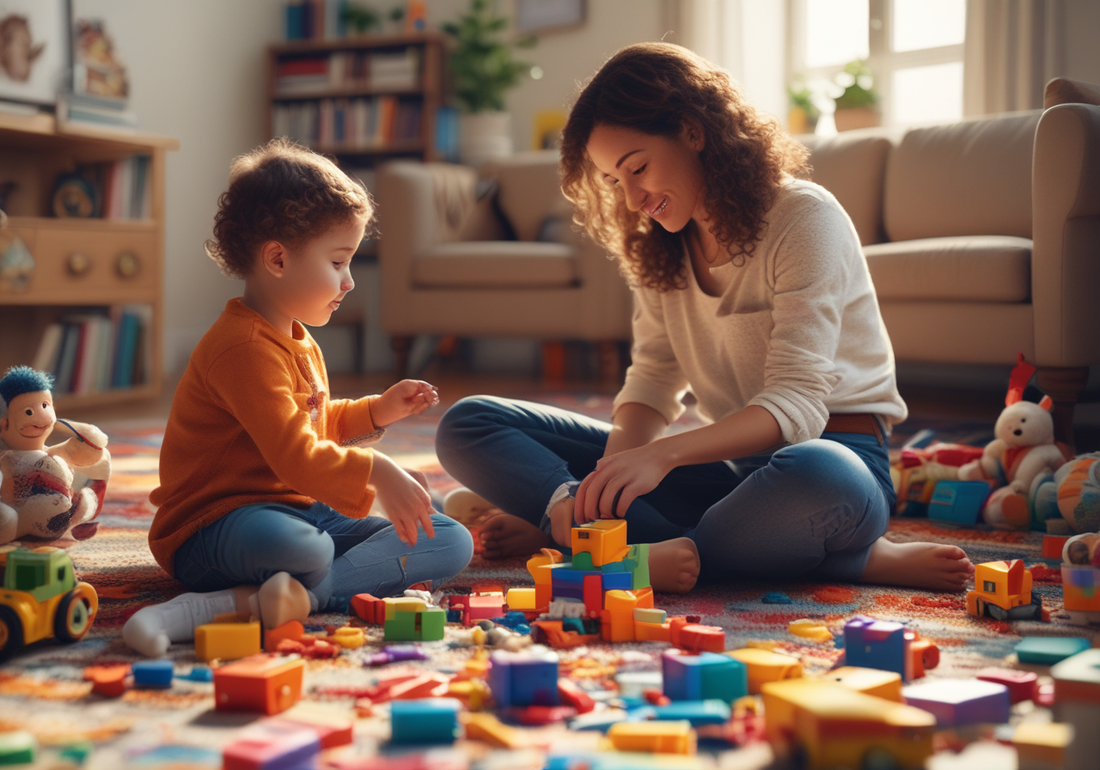
What makes intentional play different from play that just happens in the moment is that you do it with a goal in mind. You may want to help your child's feelings, thinking, or learning. When you use intentionality, you mix fun with a clear goal. This can help them calm down, talk better, or be better at solving problems. For example, when you use story-driven role play and guide your child, it can help their mind while making them feel safe.
These small moments can help your child grow and learn more without taking up much time. You can notice your child's mood after school or let them try different things using their senses at breakfast. By doing this, you bring play therapy from experts into your daily routine with little moments.
Intentional play means that you link each action to what you want for your child as a parent. You do not have to control every bit of fun. The focus is on making every moment count, instead of how often it happens. With each of these intentional play times, you help your child’s feelings, learning, and family connection grow for the long run, all by sharing these small moments together.
The Difference Between Spontaneous and Purposeful Play
Spontaneity in play means having fun without a plan. It is the time when children can use their minds, move around, or find new things. This type of play is good for mental health. It can help spark creativity and lift the mood. But, while these moments matter, they do not always give kids the help they need for deeper emotional health.
Purposeful play brings together intentionality and the power of play. For example, a parent might help their child make up stories to talk about feelings that are still inside. Or, a parent may use quiet activities to calm their child when things get wild. Purposeful play helps kids grow and learn many important skills.
Knowing these differences can help families mix both kinds of play in everyday life. Let children lead during these little moments of spontaneous play. But sometimes, make time to guide the fun to help teach or calm your child. This mix gives children the room to become strong, friendly, and able to grow. They will enjoy each day and all the small moments that happen.
The Science Behind Short Play Sessions
 Brain development grows fast during times when you plan to play with your child. Short moments filled with playfulness help set off key parts in the brain. Studies show that even a little playful time helps to lower stress in kids. It also helps them focus better. The good thing is this can make a deep difference for mental health in just a few minutes.
These short play times fit well with ideas used in early childhood education. It is not about how long you play, but how often. Spending just a little bit of time in a good way sends a strong message to your child’s brain. This helps your child grow stronger and build emotional skills for the long term. This small amount of playfulness can have a big and profound impact on their mental health.
How Brief Interactions Affect Brain Development
Brain growth happens when a child gets many steady and clear experiences. It is most important in early childhood education. In short play times, the tasks help build brain paths linked to memory, how to act right, and learning. These simple activities give the brain a boost. At the same time, they help keep the child from feeling too much at once.
|
Play Approach |
Impact on the Brain |
|---|---|
|
Storytelling activities |
Help with getting back memories and fix problems. |
|
Sensory-focused exercises |
Make it easier to handle feelings the right way. |
|
Tactile games |
Help the body move right and know where things are. |
Studies show that small moments make a big difference later on. If you use these set play times, your child will feel more sure about themself. Children will also be more ready for what life brings, both in how they act and how they feel—that helps their emotional health.
Each short play or chat gently moves important brain links into better balance. These short times are building blocks for your child’s learning, feelings, and life skills. Early childhood education counts on these small moments to build a strong mind and heart.
The Role of Play in Emotional and Social Growth
Intentional play supports emotional health by letting children say feelings they find hard to talk about. Play therapy helps kids become more sure of themselves. They learn to handle their feelings with games and joy instead of pressure.
For older children and young adults, doing games that involve working together is good for making friends. If they join in on things like team puzzles or other creative games, they learn to fix problems together. This playfulness helps build stronger connections with other people.
Parents can add simple, structured games into everyday life, even if it is just in little moments. These quick rounds of play teach kids about emotional intelligence. Your child learns to understand what they feel and how other people feel, too. Little moments like these help your kids grow a strong sense of who they are that stays with them over the long term.
Practical Ways to Incorporate Intentional Play in Daily Life
Life can be busy and full, but that does not mean you can't enjoy the power of play. You do not have to set aside a lot of time. Even a few simple minutes in your day can make a big difference. Just add these small moments into your regular routine.
Try the power of play in new ways, like moving together in the kitchen or doing a quick sketch while you wait for something. These small moments help you and your family see how play can fit into busy days. When you use intentionality with your time, your family can add more fun without taking away from other things you have to do. It is those little times that can make your days brighter and bring people closer together.
Quick Play Ideas for Busy Families
Busy days can make it hard to play with your kids every day. Still, these little moments can be easy if you do them on purpose. Here are some fun ideas that fit well into everyday life:
- Story-Time Swap: Tell each other one-minute stories at breakfast.
- Silly Sound Contest: Try to make the funniest noise. It’s a good way to help with stressful mornings.
- Snack Art: Make food into fun shapes together. This helps your child learn by touching.
- Dance Party Challenges: Do a few quick dance moves in the evening to let out feelings before bedtime.
- Instagram Inspiration: Follow pages with quick family games for more ways to have fun together.
Each activity brings light and fun to your day in an easy way. These little moments help you balance parenting with the rest of your life. Being intentional makes a big difference, whether you plan things or just let them happen in the moment.
Making the Most of Everyday Moments
Everyday times, like giving a bath or going for a drive, can be times to build strong bonds. Small moments can show the power of play. You do not need a lot of time, but you do need intentionality for it to work.
For example, tell funny stories while you drive. This helps kids use their minds in new ways. Also, when your child is in the bath, you can use water-safe toys. This lets your child enjoy sensory play while still getting clean. It is easy to add this fun into your usual chores.
Parents in Indian households can use their small moments well. Try to make time to connect, even in busy routines. When you add intentionality, you bring out the power of play in these daily moments.
Overcoming Challenges to Intentional Play
In busy cities like San Francisco or in Indian homes that are always on the go, it can be hard to find time for play when work gets in the way. Many people feel like there is just no chance to fit in these small moments. Still, mental health can get better if we use little bits of free time. These short breaks can help balance your daily routine.
Play therapy does not mean you have to change the way you live or fix your whole schedule. You can add it to family activities in simple ways that work right then and there. Let’s see some good and realistic ways to try play therapy, even if you think you do not have the time or it will not help.
Addressing Time Constraints in Indian Households
Everyday life in Indian homes is full of things to do and manage. This makes it hard to find time for focused ways of raising kids. But you can still use small moments to try new ways of bonding with your family. You do not have to stop what you are doing.
You can make meal prep more fun by turning it into a time for sharing stories. You can mix important parts of your culture with funny plays. Try acting out skits while keeping an eye on what meal steps need your help. Balance what has to be done in the kitchen with fun for everyone. Ask the family to dress up in outfits from different areas for even more energy. This adds excitement and brings everyone together in the house.
Using these simple ways of parenting shows your love for your kids. Mixing fun and daily chores helps make the home a good place for mental and emotional health for all of us. These small moments and new ways of doing things give the family strong bonds.
Breaking Myths About Play and Productivity
Taking time for short, intentional play often goes against what many people think about getting things done. People might say that play takes your mind off serious work. But they often do not see the profound impact it has on mental health and well-being. In truth, having small moments of playfulness helps us think in new ways and focus better. This can help us get more done over time. Bringing some spontaneity and joy into work can make your mind feel fresh. It can also help you find new ways to solve daily problems. This is especially good for young adults who deal with the tricky parts of modern life.
Conclusion
Realizing the profound impact of short, intentional moments of play can really change everyday life. These small moments help your emotional health. They also bring out more spontaneity and playfulness, which is important for both young adults and children. Using play therapy in early childhood education shows the power of play to build better mental well-being. In the fast pace of daily life, choosing these special experiences creates new ways to connect. Even a few minutes of joy can lead to long-term benefits for all of us.
Frequently Asked Questions
How short can an intentional play moment be and still be effective?
Research shows that even short times of play, like 5 to 10 minutes, can really help improve focus and creativity. These quick breaks give your mind a rest, and when you get back to work, you can get more done and stay interested in what you are doing. With play, the quality of time you spend is often more important than the amount of time.
Can intentional play help children who are shy or introverted?
Yes, intentional play can really help shy or quiet children. It gives them a safe place to be themselves. This way, they get to talk and spend time with others. It helps them learn how to act with people and makes them feel more sure of themselves. This lets them play and get along with other kids without worry and have more fun.
What role do parents play during intentional play moments?
Parents help guide their kids during planned playtimes. They do this by showing support and cheering them on. When parents take part like this, kids learn more, get creative, and feel closer to their parents. This also helps kids do better as they grow up.
Are there cultural considerations for play in India?
Yes, cultural things to think about for play in India have to do with how important traditional games are. These games often show what the community values. People also learn a lot through playing with others, as social time is important in the culture. Different parts of India enjoy different kinds of play, so regional diversity makes a big difference in how people like to have fun. Family and festivals also play a big part. They help shape the playful moments for both kids and adults.
How can technology be used positively in intentional play?
Technology can help make play more focused by giving us interactive tools that help people be creative and work with others. Many apps and games help to build problem-solving skills. Virtual worlds can give people special experiences that they might not get in real life. When you use technology in a thoughtful way during play, it can lead to better focus and learning.